
Last Updated on January 6, 2026 by UDC Sports
While the exact timing varies, synthetic turf fields eventually reach the end of their usable life and need to be replaced. Lifespan depends on factors like usage intensity, maintenance practices, and environmental conditions. Learn more about how often turf sports fields need to be replaced. And when that time comes, removal is the first major step.
The timeline for artificial turf field removal depends on factors like field size, infill type, weather, and whether any of the materials are being reused or recycled. However, it can often wrap up faster than many people expect.
For a typical football or soccer field, the whole process—pulling infill, cutting turf, rolling sections, and lifting any shock pad—can be very efficient. Crews usually work in tight sequences, which means that under ideal conditions, once the equipment rolls in, a field can come up efficiently.
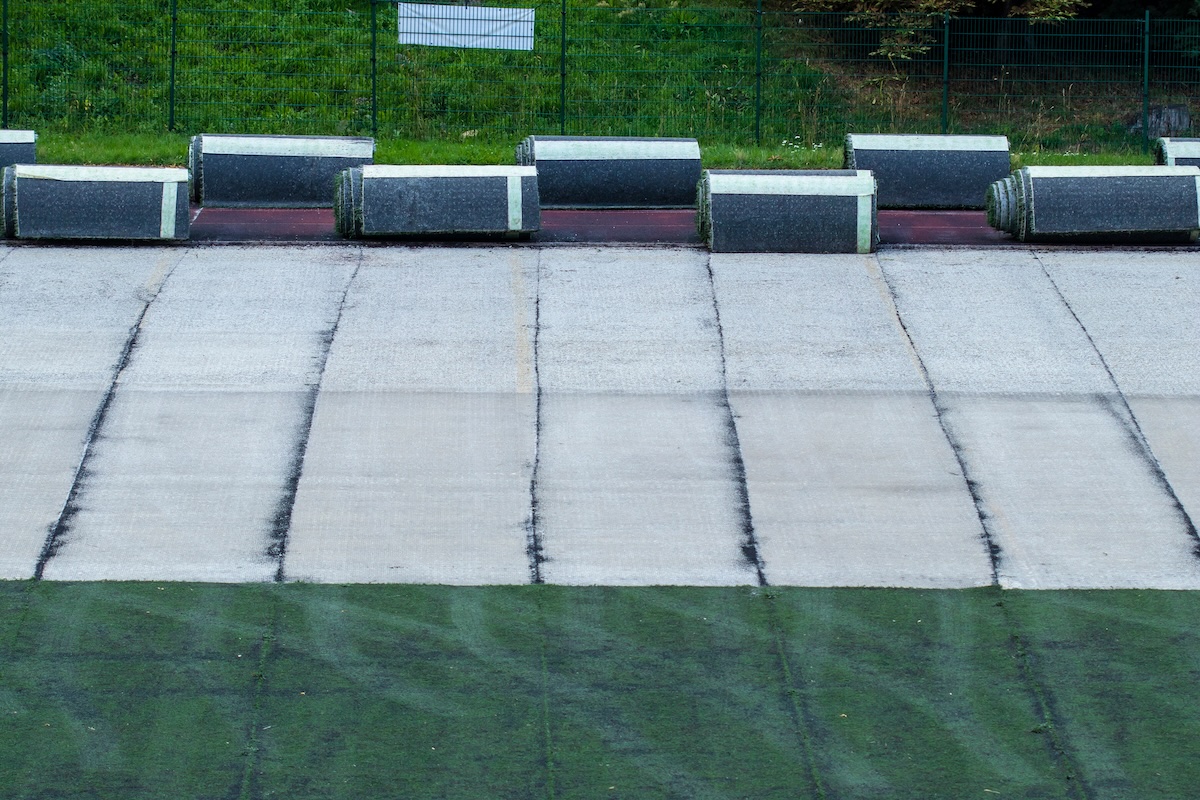
With good access, preparation, and conditions, full removal can sometimes wrap before the week is out. But even when conditions aren’t ideal, experienced crews have ways to keep things moving and avoid major holdups. They may adjust the removal order, switch equipment if needed, or stagger tasks to stay productive.
Typical artificial turf sports fields, like football or soccer fields, can sometimes be removed in just a few days under ideal conditions, including infill extraction, turf cutting, rolling, and any pad separation. However, in many cases—especially when materials are being recycled, pads are glued down, or documentation is limited—removal can take 4 to 5 days or longer. Those estimations assume dry weather and easy site access.
Delays can happen when conditions aren’t perfect or when crews need to meet recycling requirements. For one example, heavy rain can add weight to infill and slow equipment, and tight access points sometimes limit how fast materials can be moved off-site. Still, most crews build a little buffer into the schedule to keep things on track.
Let’s take a look at each of these factors in more detail.
What Determines the Timeline?
Several factors shape the removal schedule:
1. Field Size
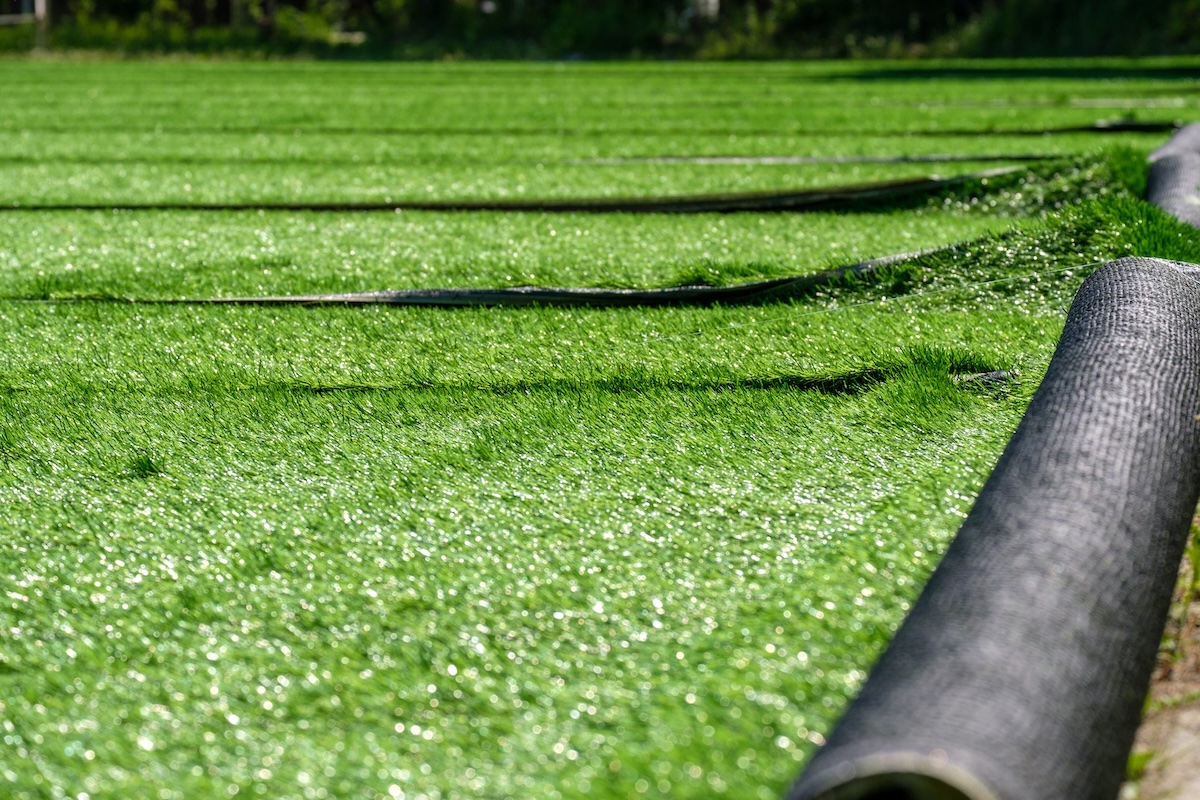
Larger fields like full-sized football or multi-sport complexes require more staging space and generate more tonnage. Expect more trucks, more roll handling, and potentially multiple load-out phases.
Full-sized football and multi-sport fields often require staggered removal zones and rotating equipment to keep workflow steady without overwhelming staging areas. If space is tight, that can also slow down how fast crews can load out the removed material. It’s not just what’s coming off the ground, but where it all goes next.
2. Weather Conditions
Moisture changes everything. Wet infill clumps together, adding weight and making extraction less efficient. Turf becomes slicker to handle and harder to roll cleanly, especially when seams are already starting to separate. Even a short rainfall can mean waiting until the surface drains enough for equipment to operate safely.
And on sites with only one access road or limited trailer turnaround room, soft ground can turn a simple haul-off into a logistical bottleneck. Most experienced crews will check the weather and adjust staging or haul-off timing accordingly, but bad conditions will naturally slow the clock.
3. Infill Type
The mix inside the turf affects how quickly you can pull it out. Systems built with higher rubber content—or layered blends with sand and rubber—require more time and equipment precision during removal.
That’s especially true when reuse or recycling is part of the plan. Clean separation is harder when particles vary in size and density, so screening becomes a more deliberate step. Even something as basic as how deep the infill is packed can shape how long the extraction phase takes. Shallower systems are simpler to clear. Deeper, denser ones just take more runs to finish.
4. Removal Goals
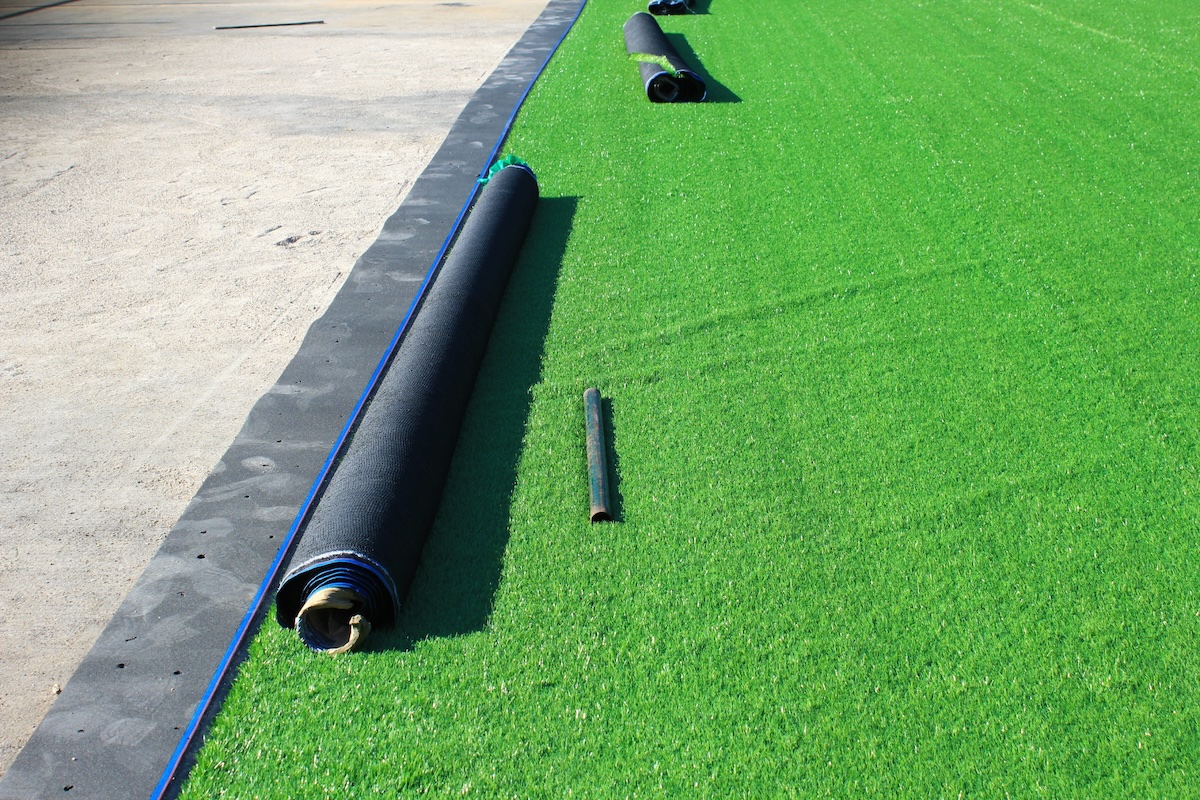 If the plan is just to haul everything away and dispose of it, the work moves fast, but that’s becoming rare. Most sports fields today are removed with at least some intention of recycling (or reuse), which adds a layer of process to how everything’s handled. Turf rolls have to stay intact, infill needs to be cleanly collected, and pads—if they’re part of the system—have to be lifted in good enough condition to be repurposed. That doesn’t mean the process is slow, but it does mean the workflow prioritizes material condition more than brute force or raw speed.
Field Type and Typical Removal Duration Notes
Note: Removal speed depends more on field condition, infill type, and reuse goals than the sport itself. These categories offer general guidance, but timelines are ultimately shaped by how the field was built and how cleanly it needs to come up.
Tips to Expedite the Artificial Turf Sports Field Removal Process
- Provide field documentation in advance – If you have seam maps, infill specs, or construction drawings from the original install, pass them along. Even partial records help removal crews plan ahead and avoid costly surprises.
- Coordinate site access and staging areas – Make sure trucks and trailers can reach the field without delays. Clear staging zones for roll-up turf and infill containers can speed up load-out and prevent pileups.
- Clarify end goals for the material – Let your contractor know upfront whether turf, infill, or pad components are being reused, recycled, or disposed of. That decision affects how removal is handled and how long each step takes.
- Minimize disruptions during work hours – Removal moves quickly when crews can stay in sequence. Keeping the site clear of outside traffic or overlapping field use helps crews keep momentum and finish faster.
What Can Delay Turf Field Removal?
Even on well-run synthetic grass field removal projects, a few conditions can push timelines longer than expected. Here are some of the most common ones to keep in mind:
- Wet or heavy infill – If the field is saturated from recent rain, the infill becomes heavier and harder to separate cleanly. This can slow down both extraction and transport.
- Turf rolls don’t hold shape – Older turf sometimes collapses during loading if seams or backing are already failing. When that happens, crews have to rework the rolls to make them safe to move.
- Unexpected base issues – If the subbase is soft or starts to break apart during cutting, it can trigger extra prep work before a new field can go down. Crews may need to patch, regrade, or recompact areas.
- Pad damage during removal – Shock pads don’t always come up clean. Older or glued-down pads can tear, fragment, or delaminate during extraction, especially if they weren’t designed to be lifted intact.
- Slow load-out logistics – If trailers get backed up or the site doesn’t allow for smooth haul-off, material can pile up and delay the next stage.
Experienced artificial turf sports field contractors who provide removal/replacement can account for these variables and build some breathing room into the schedule. But during peak replacement season, tight timelines and wet weather can still create pinch points. That’s especially true for athletic fields with limited access. Letting the removal team know about any site quirks or potential access issues ahead of time can help keep the timeline on track.
Bottom Line

Efficient turf removal projects move fast, but that speed often comes from planning. Clear staging, equipment, and clean material separation all play a part in keeping the project on schedule. When those pieces line up, the area can be cleared and ready for sports field replacement/resurfacing with minimal downtime.

