
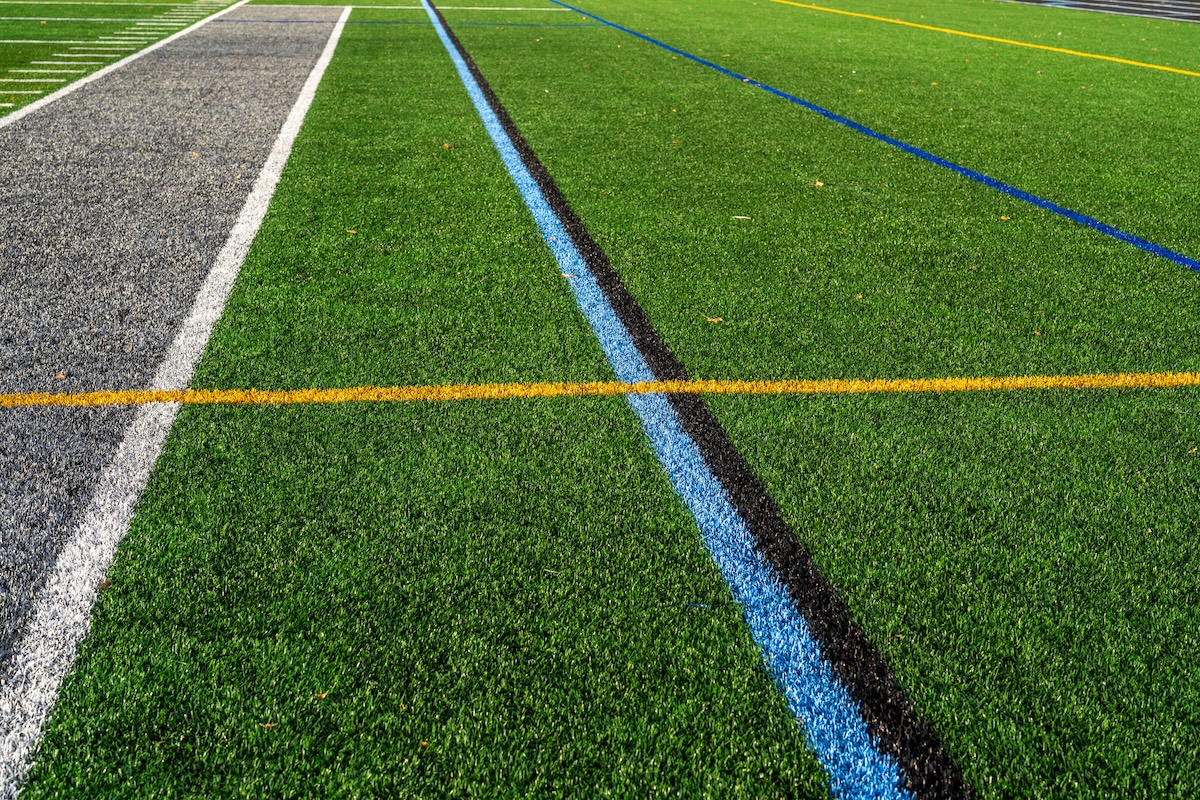
Last Updated on May 5, 2026 by UDC Sports
Synthetic turf fields used to be fairly straightforward: football lines, soccer lines, and maybe a logo at midfield. Today, many schools, parks, recreation departments, and community athletic complexes are asking more from the same amount of space.
A modern turf sports field may need to support football in the fall, soccer across multiple seasons, lacrosse in the spring, summer camps, youth clinics, marching band practice, PE classes, and community rentals. That’s why multi-sport field striping has become such an important part of athletic field planning.
A well-planned multi-use turf sports field construction project can feel organized, readable, and useful, but the goal is not to cover the surface with every possible line.
- Athletes should be able to recognize their field boundaries quickly
- Coaches should be able to run practices without confusion.
- Athletic directors should be able to schedule the space confidently.
- Maintenance teams should understand what is permanent, what is temporary, and how the field is expected to be used over time.
When multi-purpose sports field design is done thoughtfully, one field can serve more teams, more age groups, and more community programs without feeling cluttered.
What Is Multi-Sport Field Striping?
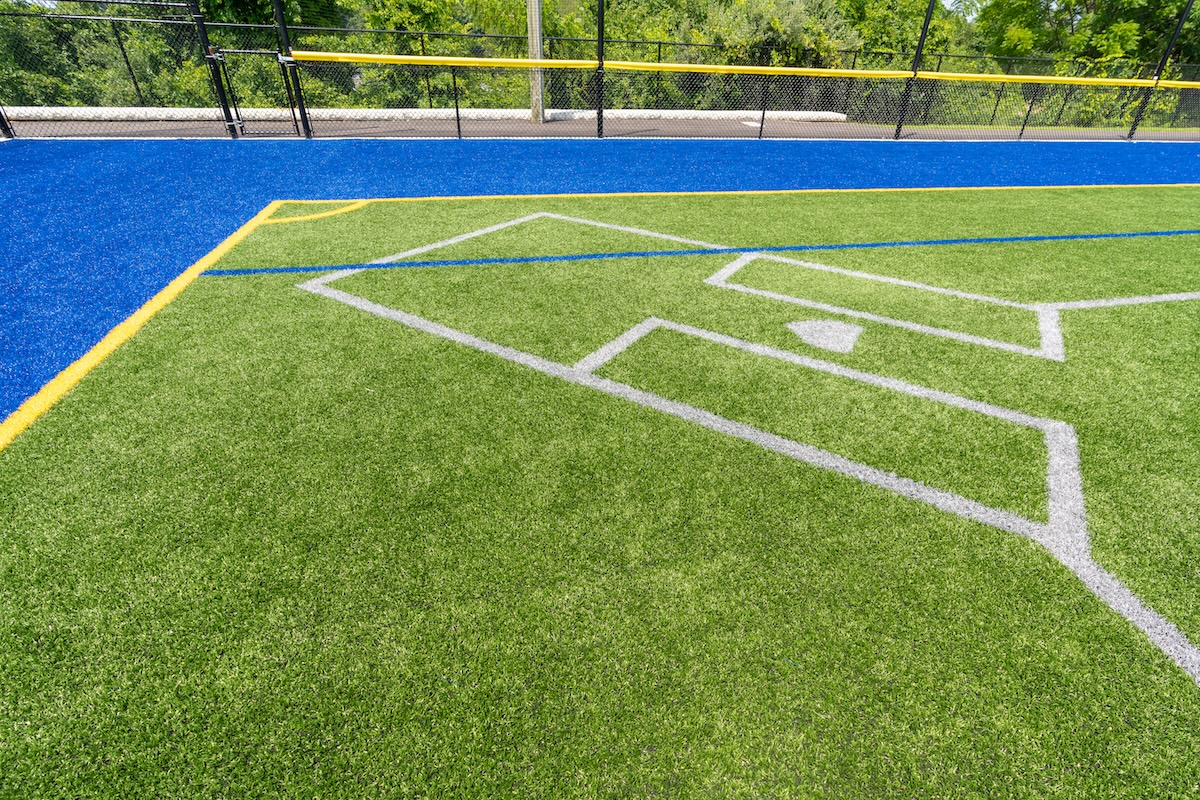
Multi-sport field striping is the process of marking one athletic field for more than one sport. On synthetic turf fields, those lines may be permanently inlaid during installation, painted after installation, or added temporarily for seasonal use.
Common multi-sport field construction combinations include:
- Football and soccer
- Football, soccer, and lacrosse
- Soccer and field hockey
- Football, rugby, and soccer
- Full-size fields with smaller youth field markings
- Game fields with practice grids or training zones
The right layout depends on the programs using the field, the available space, league requirements, age levels, and the long-term plans for the facility.
A school with varsity football and soccer may only need two primary sports marked permanently. A community recreation complex may benefit from additional markings for youth soccer, lacrosse, flag football, or rugby. A private training facility may care more about practice zones, small-sided games, and flexible coaching layouts than traditional game-day striping.
The best design starts with how the field will actually be used.
Why Multi-Sport Synthetic Turf Fields Are So Popular
A synthetic turf field is a major investment, so most schools and municipalities want that surface to serve as many useful purposes as possible. Multi-sport striping helps make that happen.
More Use From the Same Field
Land is limited for many schools and community facilities. Building separate fields for every sport is often unrealistic. A properly striped multi-use field allows several programs to share one high-quality surface instead of competing for limited grass fields that may be weather-sensitive or seasonally unavailable.
This is especially helpful for schools with tight campuses, parks departments managing heavy field demand, and growing youth sports organizations.
Easier Scheduling
A field that supports multiple sports gives athletic directors and facility managers more flexibility. Practices, games, clinics, camps, and rentals can be scheduled across different seasons without requiring major field changes each time.
For example, football may be the primary fall use, while soccer and lacrosse may dominate other parts of the year. If the striping plan accounts for that from the beginning, the field can transition between users more smoothly.
Better Value for the Facility
Multi-sport fields can increase the value of a turf investment because the field is not limited to one program. A single field may serve school athletics during the week, youth leagues in the evening, and community rentals on weekends.
That does not mean every field should include every possible line. It means the facility should be designed to support the sports and activities that matter most to that community.
Support for Growing Programs
Sports participation changes over time. A school may not have a lacrosse program today, but it may be considering one. A town may see growing interest in rugby, flag football, or field hockey. A recreation department may want to add more youth programming.
Planning for future use during the striping stage can prevent headaches later. In some cases, that may mean adding permanent lines now. In other cases, it may mean designing the field so temporary or seasonal markings can be added cleanly later.
Start With the Main Purpose of the Field

Before choosing colors or adding sports, the first question is simple: what is this field’s primary job?
For many schools, football is the anchor sport. For others, soccer is the main use. A community field may be designed around soccer first but still need football, lacrosse, or rugby markings. Some private facilities may prioritize training versatility over regulation game play.
The primary sport should usually have the most visible and intuitive markings. This often means white lines, clear boundaries, and the least visual interruption. Secondary sports can then be layered in using contrasting colors that are easy to follow without overwhelming the surface.
A field can serve multiple sports well, but it should not feel like every sport is fighting for attention at the same time.
Common Sports Included on Multi-Use Turf Fields
Every field is different, but several sports are commonly included in multi-sport layouts.
Football
Football is often the base layout for school athletic fields, especially where the field also serves as a stadium field. Yard lines, hash marks, numbers, end zones, goal lines, and team areas all require careful placement.
Football field markings are typically highly visible because they are used by players, officials, coaches, spectators, and broadcasters or livestream crews. If football is the primary sport, its lines usually need to remain clean and easy to read from both field level and the stands.
Soccer
Soccer pairs well with football on many synthetic turf fields because both use rectangular field layouts. Soccer field markings typically include sidelines, goal lines, penalty areas, goal areas, the center circle, corner arcs, and penalty marks.
One important consideration is field size. Soccer field dimensions can vary depending on age level, governing body, and facility constraints. A high school, club, or community field may need different soccer markings than a youth field. Some facilities add smaller youth soccer layouts across the width of a larger field, especially for recreation programs.
Lacrosse
Lacrosse is one of the most common additions to football and soccer fields. Boys’ and girls’ lacrosse have different field markings, so it is important to know which version the field needs to support.
Because lacrosse includes specific restraining areas, creases, arcs, and substitution zones, the line plan should be reviewed carefully before installation. When lacrosse lines are added cleanly, a turf field can become much more useful during the spring season.
Field Hockey
Field hockey is popular in many regions and can be a strong candidate for multi-sport turf fields. Its markings are distinct, including striking circles and specific boundary requirements.
Because field hockey lines can intersect with soccer or lacrosse markings, color selection and layout clarity are especially important. A field that supports field hockey should be planned with coaches and athletic staff who understand the sport’s needs.
Rugby
Rugby can work well on larger rectangular synthetic turf fields, especially community fields and athletic complexes. Rugby markings include try lines, dead-ball lines, halfway lines, 22-meter lines, and other sport-specific markings.
Rugby also requires attention to field size and safety zones. If the field will host formal rugby matches, the design should be reviewed against the appropriate competition requirements before lines are finalized.
Flag Football
Flag football has grown as a school, recreation, and youth sports option. It may not require the same full-field layout as tackle football, depending on the league and age group.
For facilities that host youth programming, camps, or intramural sports, flag football markings can be useful. In many cases, temporary or painted seasonal markings may make more sense than permanent inlaid lines.
Youth Sports and Small-Sided Games
A full-size field can often be used more efficiently by adding smaller field layouts for youth sports or training. For example, a soccer field may include cross-field youth soccer markings so multiple games or practices can happen at once.
This can be valuable for recreation departments and clubs, but it needs to be handled carefully. Too many small-field layouts can make the main field harder to read. The layout should support real programming needs, not just theoretical flexibility.
Permanent Lines vs. Temporary Lines
One of the biggest decisions in multi-sport field striping is whether lines should be permanent or temporary.
Permanent Inlaid Lines
Inlaid lines are installed as part of the turf system. They are durable, clean, and do not require regular repainting. They are a good option for sports that will be used often over the life of the field.
Permanent lines make sense for:
- Primary sports
- Heavily used secondary sports
- School programs with consistent annual schedules
- Fields where clean, long-term appearance is a priority
The downside is that permanent lines are not easy to change. If a sport is only occasionally played, or if the program may change soon, permanent markings may not be the best choice.
Painted Lines
Painted lines can be added after installation and refreshed as needed. They are useful for seasonal sports, special events, and layouts that may change over time.
Painted lines should be done with products approved for synthetic turf. Using the wrong paint or application method can create maintenance issues or affect the appearance of the surface. A professional field contractor can help determine what products and processes are appropriate for the turf system.
Temporary Markings
Temporary markings may be used for tournaments, camps, clinics, or short-term programming. They can be a practical choice when a field needs to support occasional uses without adding more permanent visual clutter.
The important thing is to plan ahead. Even temporary lines should be applied in a way that is clear, safe, and compatible with the turf.
Choosing Line Colors for a Multi-Sport Field
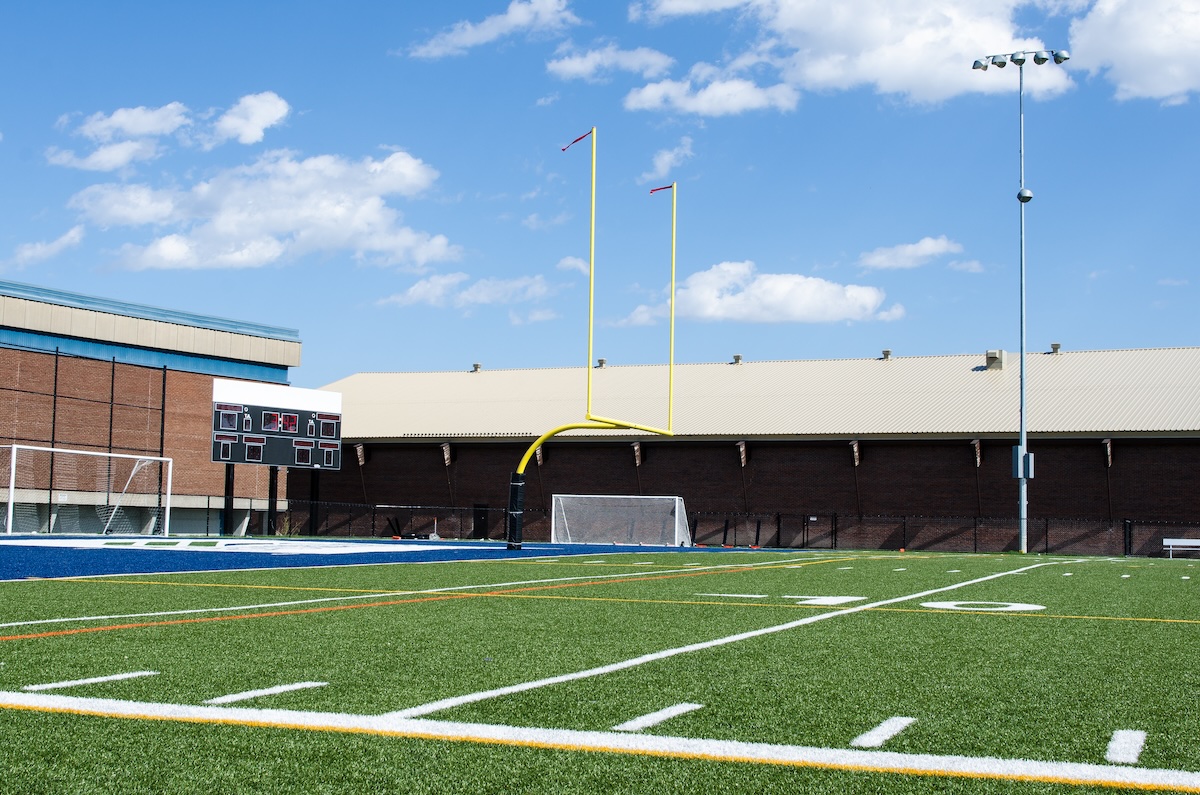
Color selection has a major impact on how usable the field feels. The goal is not simply to assign a different color to each sport. The goal is to make sure each sport can be followed easily during play.
A common approach is:
- White for the primary sport
- Yellow or gold for a secondary sport
- Blue, red, orange, or another contrasting color for additional sports
- Subtle or temporary colors for practice-only areas
The optimal color choices will naturally depend on the turf color, lighting, sport priority, and the number of line systems being included.

Avoid Colors That Are Too Similar
Two colors may look different on a design drawing but appear too similar on the field, especially at night or from the stands. Yellow and gold, dark blue and black, or red and orange can sometimes be difficult to distinguish depending on lighting and turf shade.
Think About Athletes at Game Speed
A player should not have to stop and study the field to know whether a line applies to their sport. Markings need to be recognizable quickly. This matters for gameplay, officiating, and safety.
Keep the Most Important Lines the Clearest
The primary field boundaries, goal areas, and high-use markings should be the easiest to see. Less frequently used markings can be present without competing for attention.
How Many Sports Lines Are Too Many?
There is no universal number, but there is a point where a multi-sport field becomes visually crowded. When that happens, the field may technically support many sports but feel less useful for all of them.
Too many lines can create problems such as:
- Players following the wrong boundary
- Officials needing extra clarification
- Coaches spending time explaining line colors
- Spectators struggling to follow the game
- A field that looks busy even when it is well maintained
A good rule of thumb is to prioritize actual use over possible use. If a sport has an active program, regular practices, and scheduled games, it may deserve permanent markings. If it is only a maybe, temporary or seasonal markings may be the better choice.
The cleanest multi-sport fields are not always the ones with the fewest lines. They are the ones where every line has a clear purpose.
Planning Around Field Dimensions and Governing Rules
Field dimensions vary by sport, age level, and governing organization. A high school football field, a regulation soccer field, a youth soccer layout, and a lacrosse field each come with different expectations.
Before finalizing the striping plan, confirm:
- Which teams will use the field
- What age levels will play there
- Whether the field will host official games, practices, or both
- Which rules or governing bodies apply
- Whether playoffs, tournaments, or outside rentals are expected
- Whether the field needs to meet school, club, league, or recreation standards
This step is important because a field that works for practice may not be acceptable for official competition. It is better to resolve those details before installation than to discover a mismatch after the turf is complete.
Stakeholders Who Should Be Involved
A strong field striping plan usually includes input from several people, not just one decision-maker.
Athletic Directors and Facility Managers
They understand scheduling, budgets, program priorities, and long-term facility goals. They can help determine which sports need permanent support and which uses are occasional.
Coaches
Coaches know how the field will function during real practices and games. They can identify issues that may not be obvious on a drawing, such as confusing overlaps, poor practice flow, or areas where multiple sports need the same space.
Officials or League Representatives
For fields that will host official competition, it can be helpful to confirm requirements early. This reduces the chance of line placement issues later.
Maintenance Staff
Maintenance teams understand access points, equipment movement, grooming routines, and how the field will be cared for over time. Their input can help prevent practical problems.
Community Program Leaders
For parks, recreation departments, and shared-use facilities, community groups may have important insight into youth sports demand, rental needs, and seasonal usage.
The design process does not need to become complicated, but it should include the people who will actually live with the field.
Designing for Practices, Not Just Games
Many fields are designed around game-day layouts, but practices often account for a large share of total field use. A school may host a handful of home games but hundreds of practice hours per year.
Practice planning can include:
- Half-field layouts
- Cross-field youth fields
- Small-sided soccer areas
- Lacrosse practice zones
- Goalkeeper training areas
- Agility or conditioning lanes
- Band practice reference points
- PE class zones
These markings do not all need to be permanent. Some may be painted seasonally or handled through cones and portable equipment. The point is to think about how the field will function during everyday use, not only during formal games.
A field that works well for practices often creates better value than a field designed only for occasional full-game use.
Safety and Clarity Go Together

Good striping supports safer play by making the field easier to understand. When athletes know where they are on the field, they can react more naturally and avoid hesitation.
Some important safety-related planning factors include:
- Clear boundary lines
- Adequate runoff or buffer space where possible
- Proper placement of goals and equipment
- Avoiding confusing line clusters near scoring areas
- Maintaining visibility under daytime and nighttime conditions
- Keeping high-use areas readable as the field ages
Multi-sport design should also consider how portable goals, benches, player areas, and spectator zones interact with each sport. A line plan is only one part of the field. The surrounding layout matters too.
Logos, End Zones, and Custom Branding
Many schools and organizations want their turf field to reflect their identity. Logos, end zone lettering, mascot graphics, and custom colors can make a field feel like a true home venue.
Branding can be a great addition, but it should not interfere with play. A midfield logo should be sized and placed so it does not make key markings difficult to see. End zone designs should complement football markings without creating visual confusion. Colors should look good while still supporting the function of the field.
The best branded fields look polished without sacrificing readability.
Multi-Sport Striping for Schools
Schools often need their athletic fields to serve varsity sports, junior varsity teams, middle school programs, marching band, physical education, and community events.
For schools, the most practical questions include:
- Which sport is the main stadium sport?
- Will the field be used by both boys’ and girls’ programs?
- Are middle school or youth programs sharing the same surface?
- Does the marching band need reference markings?
- Will the field host graduation, events, or community nights?
- Are future sports being considered?
A school field has to balance pride, performance, and everyday practicality. It should look good under the lights, but it also needs to work on a Tuesday afternoon when three teams are trying to practice efficiently.
Multi-Sport Striping for Parks and Recreation Fields

Community fields often have a different set of needs than school stadium fields. They may host youth leagues, adult leagues, tournaments, camps, and rentals. The user groups may change from year to year.
For parks and recreation facilities, flexibility is especially valuable. A field may need full-size soccer on one weekend and multiple youth fields the next. It may support flag football in the fall, lacrosse in the spring, and camps during the summer.
In these settings, it is often smart to combine permanent lines for the most common uses with temporary or seasonal markings for rotating programs. That keeps the field versatile without making it overly busy.
Multi-Sport Striping for Private Athletic Facilities
Private sports complexes, training centers, and club facilities may care most about programming flexibility and revenue-generating use. Their fields may need to handle rentals, clinics, tournaments, private lessons, and sport-specific training.
These facilities may benefit from:
- Small-sided game layouts
- Training grids
- Multiple goal locations
- Sport-specific practice areas
- Flexible painted markings
- Clear layouts for rentals and camps
For private facilities, the striping plan should support both athlete experience and business operations. A field that is easy to schedule and easy for renters to understand can improve the overall user experience.
Questions to Ask Before Finalizing a Striping Plan
A good planning conversation can prevent years of frustration. Before choosing the final layout, ask:
- What sports will use the field in the first year?
- Which sports will use it most often?
- Which sports need official game markings?
- Which sports only need practice markings?
- What age groups will use the surface?
- Are youth field layouts needed?
- What markings should be permanent?
- What markings should be painted or temporary?
- Which sport should receive the clearest visual priority?
- Will the field be used at night?
- Are there future programs the facility wants to support?
- Who needs to approve the final layout?
- How will the field be maintained after installation?
These questions help turn a general idea into a field that works well in daily use.
Common Mistakes to Avoid
Multi-sport fields are common, but they still require careful planning. A few avoidable mistakes can affect the field for years.
Adding Lines Without a Usage Plan
It can be tempting to add markings “just in case.” But unused lines still create visual clutter. Every permanent line should have a reason.
Choosing Colors Too Late
Color should not be an afterthought. It affects readability, appearance, and user experience. Decide color hierarchy early in the design process.
Forgetting About Youth Sports
Many fields are used by younger athletes, even if they are built around high school or adult dimensions. If youth programs will use the field often, their needs should be considered from the beginning.
Ignoring Practice Flow
Game markings are important, but practices make up much of a field’s use. A good layout should support drills, split-field practices, and efficient team movement.
Not Reviewing the Final Drawing Carefully
A field layout drawing should be reviewed by the people who understand the sports being marked. Small details matter, and it is much easier to adjust them before installation.
Working With an Experienced Turf Field Contractor
The striping plan should be part of the larger field design conversation. Turf type, infill system, drainage, base construction, goal locations, equipment access, and field markings all work together.
An experienced synthetic turf field contractor can help translate program needs into a practical layout. That includes reviewing sport priorities, line colors, permanent versus temporary markings, field dimensions, and how the finished surface will look and function.
The best results come from clear communication early in the process. When the owner, contractor, coaches, and facility staff are aligned, the finished field is more likely to serve its users well for years.
Building a Better Sports Field Starts With a Better Plan
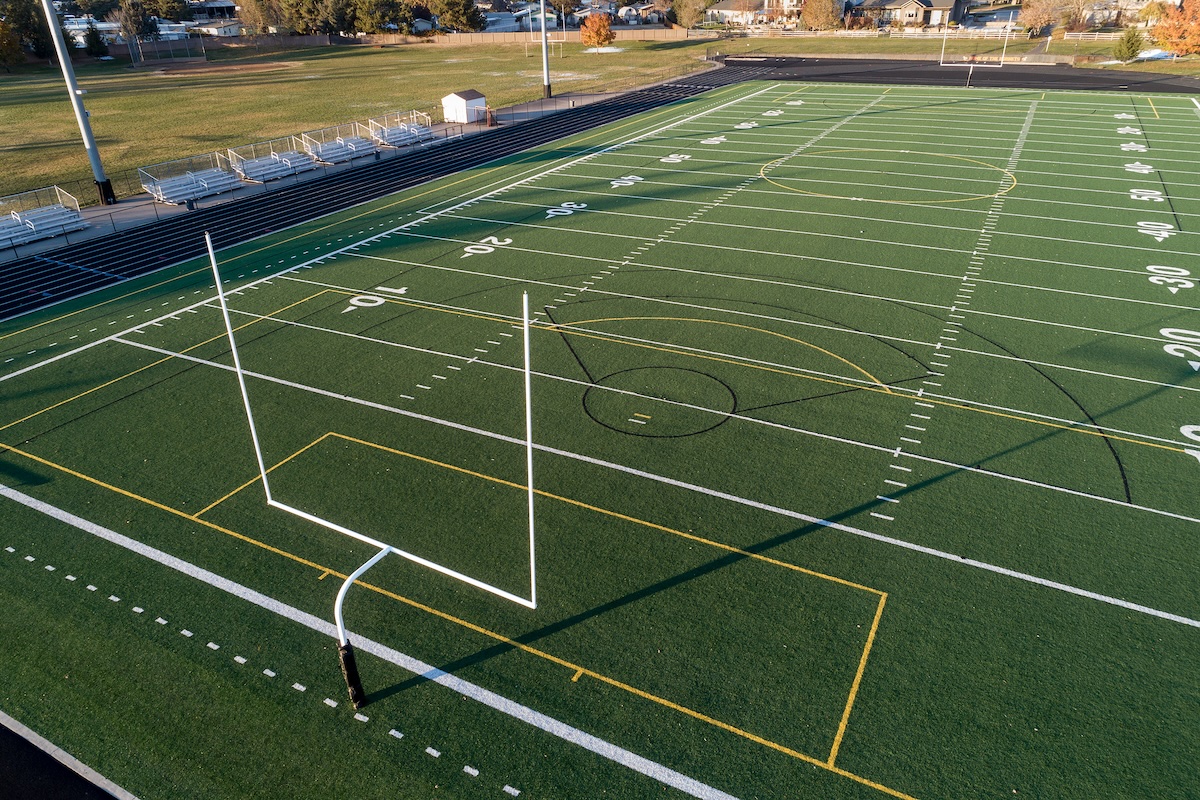
Multi-sport field striping is not about adding as many lines as possible. It is about creating a field that supports the right sports, the right age groups, and the right schedule without becoming confusing.
A well-designed multi-use synthetic turf field can help schools and communities get more from their investment. It can support growing programs, improve scheduling flexibility, and create a dependable surface for athletes throughout the year.

